




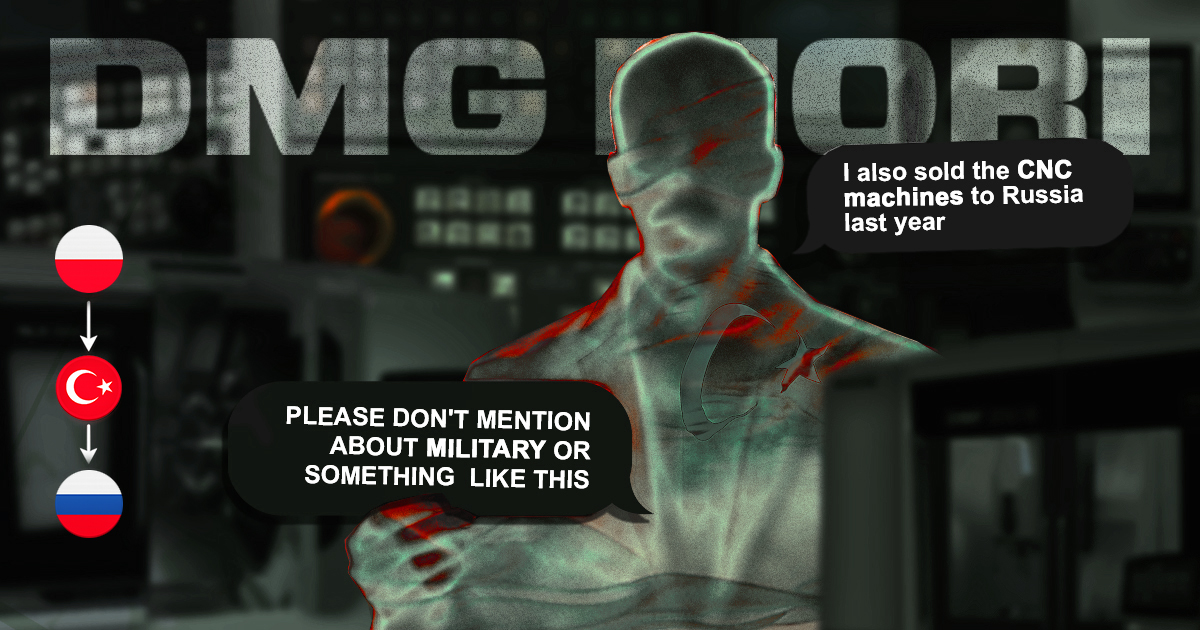
Arming the Enemy: How Polish CNC Machines Reach Russia’s War Industry via Türkiye
Collaboration: Berenika Serwatka, Daniel Flis (FRONTSTORY.pl), Darya Kuzmina, Sonya Maksymiv (TRAP AGRESSOR)
Illustration: Anastasiia Morozova 2026-04-30


Collaboration: Berenika Serwatka, Daniel Flis (FRONTSTORY.pl), Darya Kuzmina, Sonya Maksymiv (TRAP AGRESSOR)
Illustration: Anastasiia Morozova 2026-04-30
- Four years after Russia’s invasion of Ukraine, specialized machine tools manufactured in Pleszew, Poland are being sent to the aggressor’s country. They can be used to produce weapons and ammunition.
- Circumvention of sanctions is simple. We learned this by trying to bring a machine tool produced in Pleszew to Russia using the services of a Turkish intermediary.
- Despite successive packages of sanctions and restrictions, Russia still uses Western technologies — and companies that violate sanctions often go unpunished.
CNC machines — from the English term Computerised Numerical Control — produce and modify materials using computer control systems. Without CNC machines, it would be impossible to make certain parts of military vehicles or weapons systems. They are used to produce engines and drones; they can produce projectile bodies; and guidance elements, drive systems or warhead housings.
For this reason, CNC machines in the European Union are considered so-called “high priority goods” (on the EU sanctions list they bear the code name 4.B). Without them, the Russian war machine would not be able to function.
Our investigation has now discovered that the Kremlin’s war is also quietly supported by equipment of Polish production, a well-known CNC company from Pleszew.
City From the Production Line
Can a Russian company that works for the Russian army buy advanced technologies from Poland? No problem, despite the fact that CNC machines are considered dual–use goods — that is, goods or services that can be used for both military and civilian purposes. Trade of CNC machines in the EU is strictly controlled. In Poland, in theory, it is guarded by the ABW, the Internal Security Agency.
Experts from the British think tank RUSI (Royal United Services Institute) explain that, if the goods are dual-use, then ABW must issue permission for their export — for example, to Türkiye. Sanctions are supposed to mean that those countries and entities covered by them (such as Russia) cannot import such goods. Lawyer Robert Socha from the Open Intelligence Group, who deals with the issue of sanctions, says, “If a Polish entity sells CNC machines to Türkiye, we should immediately turn on a warning light. Firstly, Türkiye is one of the countries widely known for its assistance in circumventing sanctions. Secondly, CNC machines within certain parameters are subject to a ban on export to Russia, because they are used for the production of weapons.”
Manufacturers and exporters of dual-use goods to Türkiye should perform in-depth due diligence to be able to demonstrate that they have made every effort to verify that the so-called final recipient of the machines will not be anyone from Russia. “The elementary issue is the relevant clauses and statements in the contracts, including the so-called ‘no-Russia clause,’ i.e. the ban on re-export to Russia. Regardless of this type of procedure, the EU exporter should examine his contractor using open source intelligence methods and check if there is a risk that the Turkish contractor can send the goods to Russia,” Socha adds.
In practice, the acquisition of a Polish machine tool by a Russian army subcontractor is not complicated. Turkish intermediaries will take care of everything from transporting equipment and filling out export declarations to transfers in rubles, all to bypass international sanctions. According to estimates, about 70 percent of all CNC machines in Russia are imported, and as many as 80 percent of all machines go to the military.
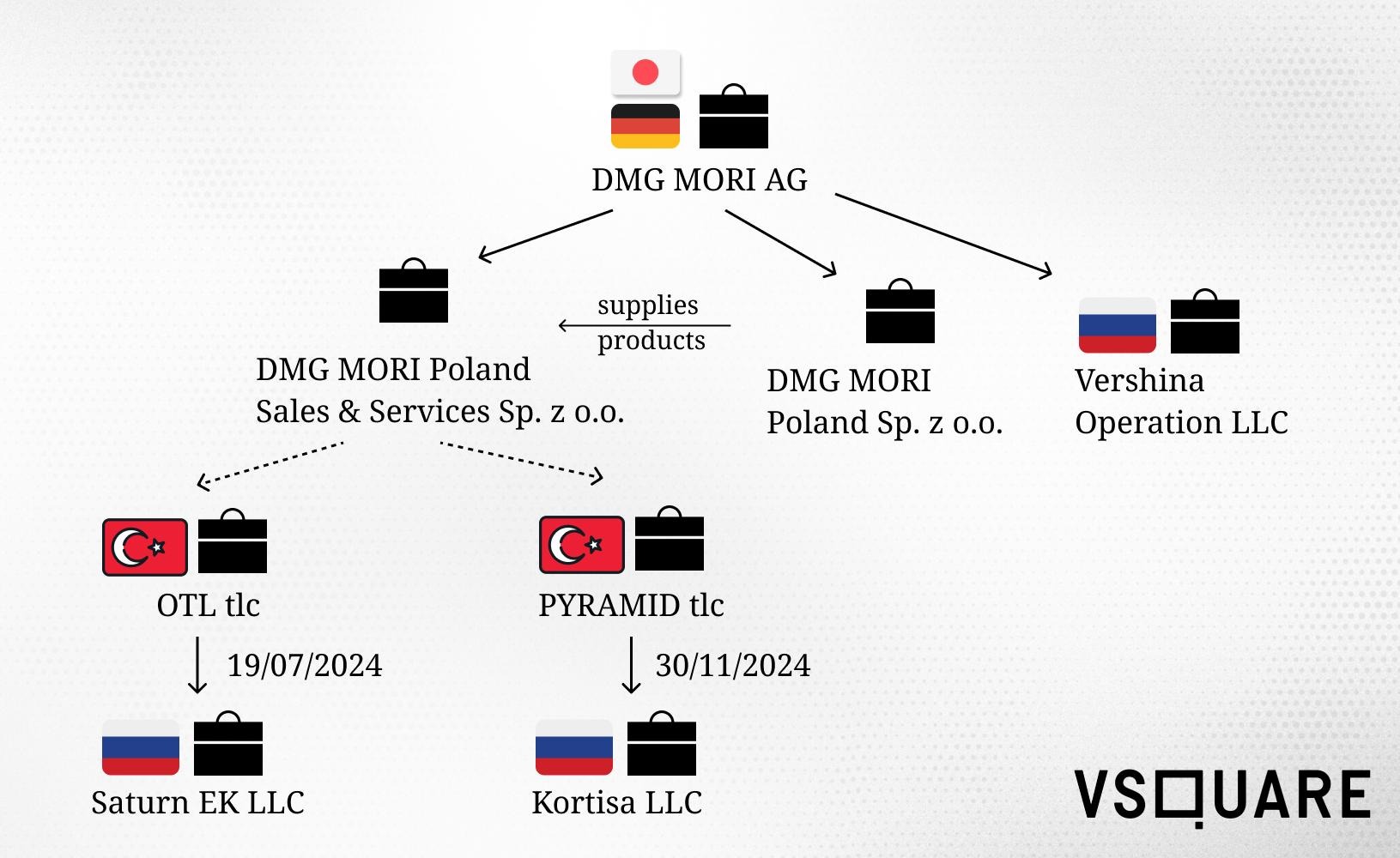
In Pleszew, a city of 16,000 in southern Wielkopolska, the fastest growing company is DMG MORI Poland, the largest manufacturer of machine tools not just in Poland but all of Central Europe. In Pleszew, its old name is still used — rarely does anyone here call the factory anything other than “Famot.” As part of the corporate structure, DMG MORI Poland Sp. z o.o. is responsible for the production of machines, while DMG MORI Poland Sales & Services is responsible for servicing and sales.
The origins of the Famot factory in Pleszew date back to the end of the 19th century. In 1877, a small locksmith workshop was built here. Eventually, it developed into a plant producing machines and castings. Over time, the company has become one of the most important manufacturers of CNC machine tools.
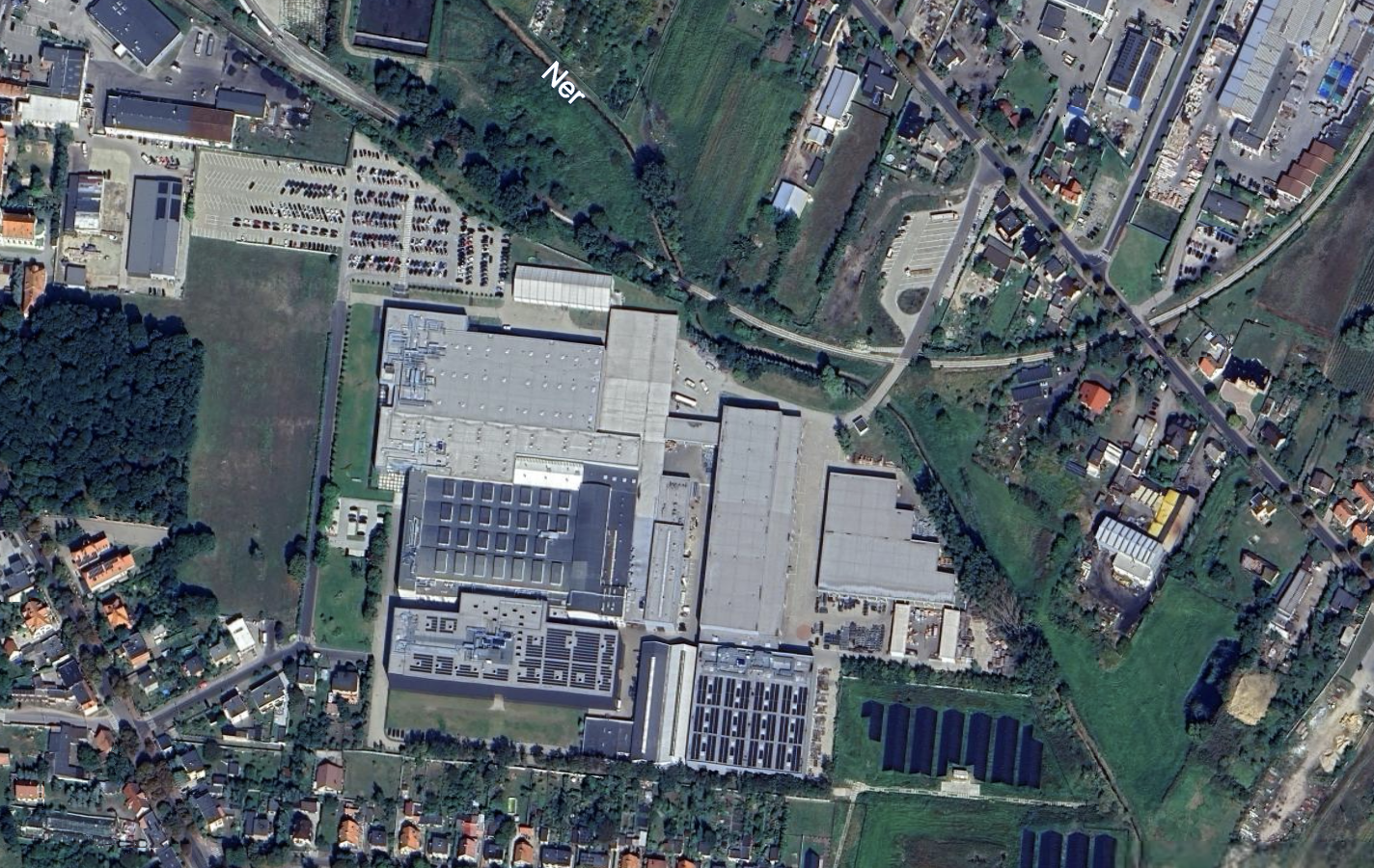
FAMOT Plant in Pleszew | Source: Google Earth
In 1999, Famot was privatized and then taken over by today’s owner. DMG MORI is one of the global industry leaders. Since privatization, sales of equipment from Pleszew have increased and, in 2024, the company’s revenue reached over PLN 210 million (approx. €49 million). The plant has become a modern factory that produces lathes and machine tools for customers all over the world.
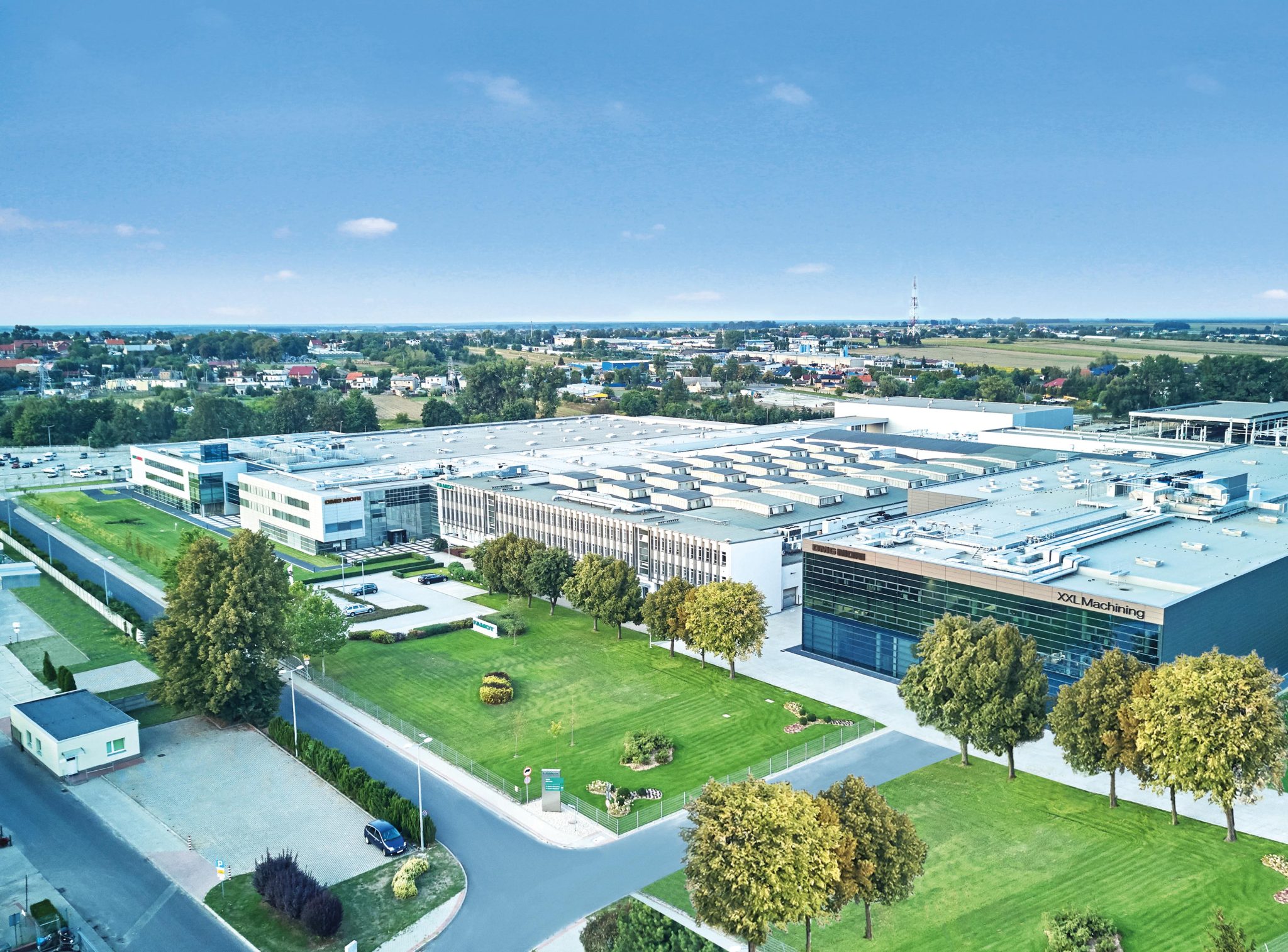
DMG MORI Poland Factory in Pleszew | Source: DMG MORI press materials
DMG MORI is a business juggernaut — and the largest employer in the region of Wielkopolska. It employs more than 730 people and plans to expand the factory. In two Pleszew schools, there are so-called patron classes, where children learn “mechatronics” and “machine tool operating.” From the new school year, every student who plans to work for the company in the future will receive a PLN 500 (€115) scholarship from it every month.
Business as Usual
After Russia’s attack on Ukraine in 2022, DMG MORI officially withdrew from the Russian market, but the companies connected to the group reportedly evaded sanctions. According to media reports, they did it in three ways: through other companies; under the guise of civilian orders; by maintaining production in plants in Russia; and bypassing sanctions by intermediaries.
The first method was discovered by journalists from the German RedaktionsNetzwerk Deutschland (RND) in 2023. Based on customs documents, they established that German companies were quietly continuing to supply goods to Russia. Among them, a subsidiary of Niles-Simmons Industrieanlagen GmbH, exported products for $5.4 million. European companies — associated with DMG MORI and another industry tycoon, the Niles-Simmons (NSH) group — sent machines and components between 2022 and 2023, declaring them to be civilian equipment. The equipment went to plants associated with the Russian armaments industry.
The second scheme was described by Russian opposition journalists from Agenstvo: DMG MORI machines, assembled at the Russian plant in Ulyanovsk, were sold in Russia long after the introduction of sanctions. It was not until February 2024 that Russian authorities took over the factory.
The third scheme is the circumvention of sanctions with the help of third-country intermediaries. Organizations monitoring sanctions, such as the US OFAC (Office of Foreign Assets Control of the Department of the Treasury) indicates that Russian companies have been acquiring Western machine tools via Türkiye, China, and Southeast Asia since February 2022. They were not formally exported to Russia, but they still landed in Russia.
For Russia, this mechanism is a key way to maintain access to technology. According to Ukrainian services, since February 2022, more than 1,400 machines (including CNC) have been sent to 170 factories in Russia, breaking sanctions.
Together with the Trap Aggressor research team from the Ukrainian analytical center StateWatch, we found out about one such company. This is the Turkish company Pyramid Muhendislik Ticaret. We don’t know how the CNC machines got to the Turkish intermediary.
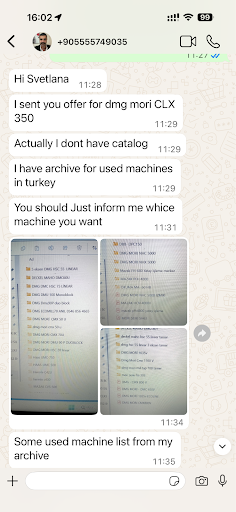
Conversation with the CEO of Turkish enterprise participating in the process of sanctions circumvention | source: Pyramid Muhendslik
Sanctions? Not a Problem
To check how sanctions are evaded in practice, we invent a fake company. Its name and profile of activity are supposed to suggest that it is part of one of the largest Russian companies, a supplier of equipment for the army. We prepare the invented details of the “company’s” activities and call a Turkish broker.
We say that the “company” supplies equipment for the army in Russia, but the situation is difficult and we want equipment suppliers from Europe. We ask about a specific device: CNC machine tools, model CLX-350, FAMOT (the machine tool from the company from Pleszew).
Our interlocutor, Mr. Bilal, is kind and helpful. And well-oriented — our order is obviously not the first one he’s dealt with. After a short conversation, we can choose Western machine tools from an extensive catalog provided by Mr. Bilal. The list shows DMG MORI machine tools.
“I sold CNC machine tools to Russia last year. I bought them in Europe and helped with export. Payments were by bank transfer, so there are always certain intermediaries, you understand” – explains Mr. Bilal.
The purchase of a CNC machine for a Russian military company | Source: own materials
Customs data shows that after the start of Russia’s war against Ukraine, machine tools from the Pleszew company got to Russia from Türkiye at least 48 times, but were, at least partially, marked as “intended for non-military purposes.”
We checked: in November 2024, a used lathe from Famot was sent to Russia for over $80,000. In the documents, the goods were marked as a high-priority machine tool (“sensitive” from the point of view of sanctions).
Is a declaration that the goods are intended for civilian use sufficient to circumvent the sanctions? Theoretically, yes. We asked the Polish Development Fund (PFR) hotline, which PFR runs for companies operating in eastern markets, about the details and what it looks like in practice: “The documents are meticulously verified, the exporter and the importer must declare what use the goods will be used for. It’s quite complicated, you have to fill out a lot of documents and get the approval of the Ministry of Development and Technology,” we hear in response.
The ministry told us that since 2022, it has issued nearly 4,000 export approvals for dual-use CNC machines. In nearly 600 cases, the “end user” was Türkiye.
Meanwhile, Mr. Bilal offers us a slightly used, but “almost like new” machine. Why used? Getting a new one is now much more difficult.
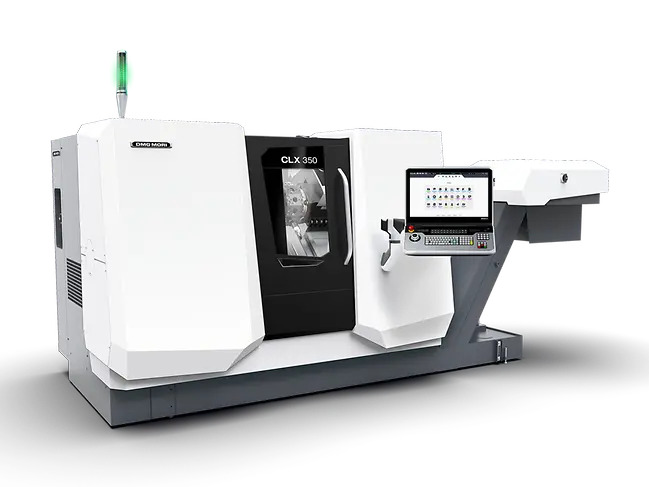
CLX 350 Horizontal Machining Center | Source: DMG MORI press materials
Another delivery we find in the customs data: July 2024. This time it’s about a vertical grinding CNC machine, designed for metal processing, for over $100,000. The machines from the Pleszew company, also declared as civilian, went to Russia through the Turkish company OTL Uluslararası Dış Ticaret. The company has been subject to EU, Ukrainian, and Swiss sanctions since 2025. Since the beginning of the full-scale invasion of Ukraine, it has imported goods worth $2.5 million to Russia.
The Russian importer, SATURN EK LLC, is also subject to sanctions. The company has been on American sanctions lists since 2023. It is thanks to the equipment it imports, used for the production of weapons, that the Russians are able to use Kalibr and Kh-101 cruise missiles and Orlan-10 drones in Ukraine.
According to RUSI experts, the problem is that sanctions are a political tool, and the European Union does not automatically recognize American sanctions — and vice versa. The USA has its own goals, the countries of the Union have their own. Especially since Donald Trump became the president of the United States, disbanding the special units responsible for coordinating sanctions with the EU, the lists are no longer as harmonious as before.
The founder of the Russian company, Yuri Skrotsky, also owns another company, GK SNABZHENIE, which, since the outbreak of the war, has been receiving contracts from the Russian Federation for hundreds of millions of rubles. His clients are or have been:
- AO Concern “Morinsis-Agat — one of the largest shipyards and manufacturer of, among other things, ballistic missile fire control systems;
- AO Izumrud – manufacturer of radars;
- AO NPC SPP – manufacturer of systems for SU-27 fighters and KA-52 helicopters;
- AO NPZ — manufacturer of small arms and optics devices;
- AO NII Gidrosvyazi Shtil — manufacturer of communication equipment for the Navy.
All of them appear on various countries’ sanctions lists because of their participation in Russia’s war.
Critically, since March 2022, there have been many more cases of export to Russia from Türkiye of machines manufactured in the company from Pleszew than the two cases we describe.
Kremlin Hides Behind Proxies
Putin’s regime is playing with Western sanctions, constantly developing new methods of circumventing them. According to the latest Estonian intelligence report, in order to hide the end user, additional intermediaries are introduced into the supply chain and the goods are repackaged to hide their origin. Shipments are directed to countries of East Asia and the Middle East, Central Asia and Africa.
As Robert Socha, the lawyer and investigator at Open Intelligence Group says, every entrepreneur is obliged to verify their contractors and should check for the export of its services and goods against sanctions prohibitions. However, there is no universal algorithm that allows you to protect yourself from irregularities.
“Everyone should develop their own sanctions compliance program (Sanctions Compliance Program – SCP). Sometimes we will not be able to verify everything, but the entrepreneur should show diligence, that is, have evidence of what and how he verified,” adds Socha.
Estonian intelligence alarms: in addition to intermediaries and organized crime networks, the GRU plays an increasingly important role in circumventing sanctions.
GRU Involved in Evading Sanctions
In addition to collecting intelligence, Russia’s military intelligence service also conducts influence operations. One of its objectives is to support the country’s economic development, scientific and technological progress, and military-technical capabilities.
Consequently, the GRU plays a significant role in facilitating the flow of sanctioned goods into Russia. The GRU is not the only organisation involved in evading sanctions, but its advantages in this field are clear. Intelligence officers receive training that equips them with a thorough understanding of Western technology, proficiency in foreign languages, and the ability to approach targets while concealing their true intentions.
Many GRU officers who focus on procurement have spent extended periods posted in target countries as diplomats or trade representatives. However, sanctions evasion is far from the glamorous work associated with Cold War espionage. While GRU officers once focused on obtaining samples of adversaries’ technological breakthroughs and bringing them home, today, roughly a hundred military intelligence officers spend their working days handling product codes, price quotes and logistics chains. Since the 1990s, GRU officers have established import–export companies in Russia to source goods from abroad. Although the trade officers of these GRU front companies still travelled relatively freely within the Schengen area after the annexation of Crimea, such travel has declined sharply since the full-scale invasion of Ukraine. To compensate for the loss of direct access to producers, Russia has pursued several strategies. These include:
- forming new joint ventures with local businessmen abroad,
- leveraging existing networks and international trade fairs to make new contacts, and
- cultivating relationships with foreign partners and managers of Russian logistics firms to involve them in schemes aimed at evading sanctions.
In many cases, the true nature of the procured goods is concealed, with intermediaries in the process often unaware that they are facilitating the supply of sanctioned items. Currently, GRU officers travel only to third countries, such as Türkiye, the United Arab Emirates, China, Thailand, Malaysia and the Balkan states, to meet with partners. [source: report of the Estonian Foreign Intelligence Service]
The Russian importers of machines are most often relatively new entities or those whose profits skyrocketed after the invasion of Ukraine. For example, consider Kortisa LLC, one of the customers of the machine tools, which officially employs only two employees. Nevertheless, in 2024 alone, the company had about a million dollars in income.
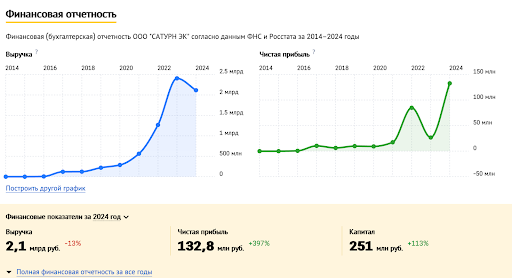
Financial records of Russian companies show skyrocketing profits since February 2022 | source: checko.ru
Sanctions experts from the British think tank RUSI warn that models manufactured and exported from the EU before the sanctions came into force often go unnoticed. In such cases, manufacturers usually have no control over the resale of equipment.
Breaking and circumventing sanctions requires constant adaptation to changing realities. “Importing new machines has recently become more risky and difficult,” admits Mr. Bilal, when we insist on delivering a new machine. The main reason is the requirement to provide the target user of the imported goods. “However, even this can be circumvented: we will provide you with a barely used machine from a Turkish company,” he offers.
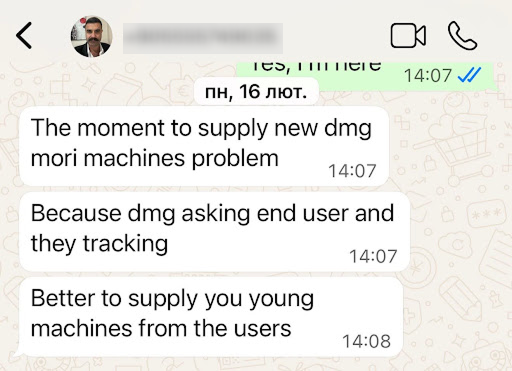
Our fixer explains the labyrinth of sanctions’ evasion | Source: materials provided by the broker
“The year of production of dual-use goods does not play a role when possible sanctions are involved,” says Robert Socha. “What matters is whether specific CNC machines actually met the parameters from the sanctions lists.”
What happens when an importer – and the (theoretical) ultimate user of dual-use goods – has a known history of exporting goods to Russia?
“If the exporter could easily determine this using open sources, it seriously burdens him, at least in terms of lack of due diligence. It is crucial to establish the level of awareness and possible intention, because this is critical for legal responsibility and the amount of punishment. In an extreme situation, if the Polish exporter knew that exports to Türkiye were a fiction, and the real recipient was Russia, and the prosecutor would be able to prove such an intention, we are dealing with a conscious circumvention of sanctions,” says Robert Socha.
Polish Authority: We Don’t Know Anything
After nationalizing the factory in Ulyanovsk, DMG MORI continued to operate in Russia through its subsidiary, Vershina Operation LLC, officially operating as an “affiliate.” It operates in Narimanów in the Astrakh region, located on the Volga, and conducts the same business as other companies of the group.
Pyramid Muhendislik and OTL did not answer our questions.
The authorities of DMG MORI Poland and DMG MORI Poland Sales & Services also did not answer our questions. Despite many attempts, we were only able to contact them for the first time the day before the publication of this investigation in Polish. In a telephone conversation, representatives of the companies denied that their machine tools continue to power the Putin regime.
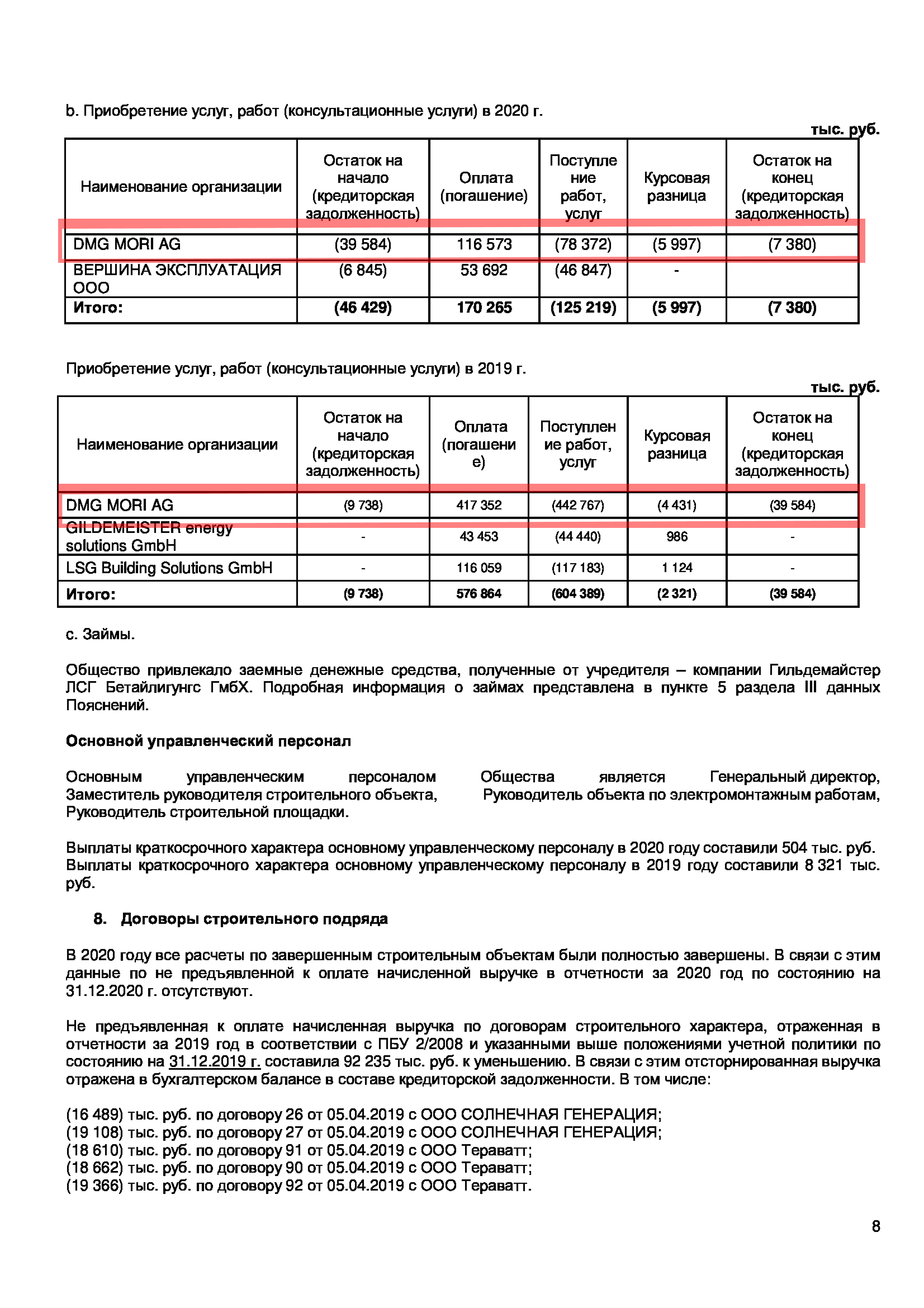
Interim financial reports of DMG MORI mention Vershina Operation LLC as an “associated entity” | source: financial records of Vershina Operation LLC
The management and press department of DMG MORI AG and DMG MORI Company Limited avoided answering our questions until just before the publication, when the answer came: “DMG MORI has always fully and without exception complied with all export control regulations and has established a complex system for the implementation, monitoring, and enforcement of the relevant rules. We have also strictly adhered to all sanctions.
Immediately after the outbreak of Russia’s war of aggression against Ukraine, we took every possible step to halt our activities in Russia promptly and consistently. Through a decree issued on 19 February 2024, the Russian Federation placed our shareholding in Ulyanovsk Machine Tools ooo, Ulyanovsk (Russia), under state control. As a result, DMG MORI lost the ability to exercise control over the company and no longer has any influence on local developments.”
According to the company, “contrary to allegations in the media, DMG MORI was not and is not involved in illegal exports to Russia”.
While DMG MORI boasts of high standards, it also says that “it cannot rule out that third parties could acquire machines and export them illegally,” writes the company, whose products are supposed to be subject to strict control.
We asked the Wielkopolska National Revenue Administration (KAS) if it has data on the export of CNC machines from Poland. Did it control the export of machine tools from Poland in the context of sanctions? Did it find any cases of sanctions violations?
KAS answered directly: there is no, and never been, such data.
This investigation is a result of cooperation between FRONTSTORY.PL and TrapAggresor.
Subscribe to Goulash, our original VSquare newsletter that delivers the best investigative journalism from Central Europe straight to your inbox!

A Warsaw-based investigative and data journalist at VSquare and Frontstory.pl, Anastasiia Morozova previously collaborated with leading media outlets in Ukraine (Radio Free Europe, Slidstvo.info). She was shortlisted for the Grand Press Award (2022) and was a recipient of the Novinarska Cena 2022.

An investigative journalist at FRONTSTORY.PL, Daniel Flis previously was on the investigative team of OKO.press and Gazeta Wyborcza. OCCRP Research Fellowship Program recipient. Participant in international investigative projects of the Reporters Foundation.